
You made the difficult decision to pursue a short sale—maybe after months, or even years, of financial stress.
You’re ready for relief, hoping for a clear path forward.
But just as you start to catch your breath, you hear stories of short sale fraud: homeowners losing out, deals falling apart, investigations, even federal penalties.
The sense of relief is replaced by anxiety and confusion.
If you’re selling a single-family home, luxury property, condo, or vacation home through a short sale, you deserve clarity and confidence. Understanding how federal short sale regulations work, what short sale fraud looks like, and how federal law addresses these risks is more than smart—it’s essential. Let’s empower you with the expert knowledge to protect yourself, your future, and your peace of mind.
What Is Real Estate Short Sale Fraud?
A short sale allows a homeowner to sell their property for less than the amount owed on the mortgage, with the lender’s approval, and you have to qualify. While short sales can offer a fresh start, they also attract bad actors—those looking to manipulate the process for personal gain.
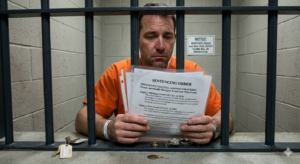
Short sale fraud occurs when parties involved in the sale intentionally misrepresent information, conceal facts, or create misleading transactions to profit illegally. The consequences are serious: federal investigations, financial penalties, and in some cases, criminal charges.
Why Should Home Sellers Care About Short Sale Fraud?
As a home seller, you are at the heart of the transaction. If anyone involved—buyers, agents, investors, or even your own representatives—engages in fraud, you could face:
- Delays or cancellation of your sale
- Financial losses (including deficiency judgments)
- Damage to your credit and reputation
- Legal action or government enforcement
Protecting yourself isn’t just about getting to closing—it’s about safeguarding your future well-being.
Key Federal Short Sale Regulations Every Seller Should Understand
Federal law is clear: mortgage fraud of any kind, including short sale fraud, is a crime. Federal short sale regulations are enforced by agencies such as the FBI, HUD, and the IRS. These rules are especially strict for properties involving federally-insured mortgages (like FHA or VA loans), but all short sales are subject to scrutiny.
Here’s what you need to know:
- Full Disclosure: Sellers and their representatives must disclose all offers, liens, and potential conflicts to the lender.
- Arm’s-Length Transactions: Most lenders require a guarantee that buyers and sellers have no prior relationship and are acting independently. They even go so far to extend this out to differing relationships, such as businesses.
- No Hidden Payments: All payments related to the sale must be disclosed to the lender—no side deals or “under the table” arrangements.
- Accurate Documentation: All documents (including hardship letters, financial statements, and contracts) must be truthful and complete.
Grab my Document Checklist.

Common Short Sale Fraud Tactics and Enforcement
Being aware of red flags can help you spot trouble before it derails your transaction. Here are some of the most common short sale fraud tactics:
1. Short Sale Flipping
A property is sold in a short sale, then quickly resold for a much higher price—often using false appraisals or hidden buyers. Sometimes, the original seller, buyer, or real estate agent is involved in both transactions. This is illegal if not fully disclosed and approved by the lender. Services do allow the new owner to sell the property, but there is usually a common waiting period with each servicer having their own time-frame requirements.
2. Undisclosed Side Agreements
Buyers or agents may ask for cash payments “off the books,” promising it’s harmless or routine. In reality, all compensation and terms must be upfront and disclosed.
3. False Hardship Claims
Submitting fake financial documents or hardship letters to convince the lender to approve a short sale at a lower price is a serious offense. This is also called strategic short sales. Basically, a borrow just doesn’t want to pay for the mortgage and w
4. Failure to Disclose All Offers
Sometimes, agents or buyers hide higher offers from the lender to ensure a preferred buyer gets the property at a below-market price. This directly violates federal short sale regulations.
5. Manipulating Appraisals
Arranging for an artificially low appraisal to trick the lender into accepting a lower payoff amount is a form of bank fraud in short sales.
Enforcement:
Federal agencies regularly audit short sales and pursue fraud cases. If caught, every party involved—including sellers—can face steep penalties.
What Are the Penalties for Short Sale Fraud?
Understanding what are the penalties for short sale fraud is crucial before entering into any agreement.
- Civil Penalties: Heavy fines, sometimes reaching hundreds of thousands of dollars.
- Criminal Charges: Bank fraud, wire fraud, and mail fraud are federal crimes. Sentences can include years in prison.
- Loss of Sale Proceeds: The lender may cancel the sale, foreclose on the property, or pursue legal action for losses.
- IRS Action: Illegally obtained funds can trigger tax penalties and audits.
No one wants their efforts to move on to turn into a nightmare. Federal law addresses short sale fraud swiftly and seriously—don’t let a lack of awareness put you at risk.
How Federal Law Addresses Short Sale Fraud
Here’s how federal law addresses short sale fraud and protects all parties:
- Bank Fraud Laws: 18 U.S. Code § 1344 makes it a crime to defraud a bank or federally insured financial institution.
- The False Claims Act: Imposes liability for false or fraudulent claims to the federal government, including federal mortgage programs.
- HUD and FHA Guidelines: Require strict adherence to disclosure and arm’s-length rules.
- Ongoing Audits and Investigations: Federal agencies regularly review short sales for compliance and fraud.
If fraud is suspected, agencies like the FBI and HUD can launch investigations, put a hold on the transaction, or even take criminal action against all parties involved.
Actionable Tips: How Sellers Can Avoid Short Sale Fraud
You don’t have to become a legal expert, but you can take smart steps to protect yourself and your transaction:
1. Work With a Reputable, Licensed Real Estate Professional
Choose an agent or broker with verifiable experience in short sales. Ask for references and check their credentials. A knowledgeable professional will help you avoid accidental missteps and ensure full compliance with all regulations.
2. Insist on Full Transparency
Demand that every offer, agreement, and payment related to your sale is put in writing and disclosed to your lender. If something seems vague or “off the books,” that’s a red flag.
3. Review All Documents Carefully
Don’t sign anything you don’t understand. Ask your agent or attorney to explain every document and confirm that all information is accurate.
4. Know the Arm’s-Length Rules
Make sure your buyer isn’t a relative, business partner, or someone with an undisclosed relationship. Disclose all connections to your lender, no matter how minor they may seem.
5. Spot and Report Suspicious Behavior
If someone suggests hiding offers, altering documents, or making “side deals,” stop immediately and consult your agent or attorney. Report any suspicious activity to your lender and, if necessary, to federal authorities.
6. Keep a Paper Trail
Maintain copies of all correspondence, offers, disclosures, and approvals. Document every conversation and transaction related to your short sale.
7. Understand Market Trends
Local market expertise is vital. A seasoned agent will help you understand fair market value, so you can spot unrealistic valuations or pricing that may indicate fraud.

Local Market Knowledge: Why It Matters
Short sale rules can vary not only federally, but also by state and lender. In some luxury markets, for example, unique property features can lead to wide price variations—making fair valuation more complex. In high-demand condominium or vacation home communities, the temptation for quick, fraudulent flips can be especially high.
Whether you’re selling a luxury home, a single-family property, or a vacation getaway, a real estate professional with local expertise will know how to navigate these nuances while keeping you in compliance with both federal short sale regulations and local best practices.
The Emotional Side: Letting Go with Confidence
It’s normal to feel vulnerable or even overwhelmed during a short sale. This is more than a transaction—it’s your future, your stability, your peace of mind. By staying informed and proactive, you can let go of fear and move forward with confidence, knowing you’ve done everything possible to protect yourself and your interests.
Next Steps: How to Move Forward Safely
- Consult a knowledgeable real estate professional—ideally, someone with a proven track record in short sales and compliance.
- Educate yourself about local and federal regulations before listing your home.
- Ask questions—no concern is too small. Your peace of mind is the top priority.
- Act quickly if you spot suspicious activity. Time is of the essence in reporting potential fraud.
Ready to Protect Your Short Sale? Book Now for Expert Guidance
Navigating a short sale can be overwhelming, but you don’t have to do it alone. With the right support, you can avoid the pitfalls of short sale fraud and move on to your next chapter with clarity and confidence.
If you’re considering a short sale or have questions about federal short sale regulations, let’s connect. I’m here to help you make smart, safe decisions—every step of the way.
Contact me today for a 100% confidential consultation, and let’s ensure your journey is secure, compliant, and successful.
Your home. Your future. Your peace of mind—protected.